


charalorenzo2
Everything You Wanted to Learn about Housing and Had been Afraid To Ask
 There is a version of the housing market story that gets told over and over, and it goes like this: prices are high, rates are high, nothing is affordable, and the only people buying are the ones with cash. That version is not wrong, exactly. It is just incomplete.
In markets where builders have added meaningful supply in recent years, prices have pulled back. Markets that overheated fastest have cooled most noticeably. But those are the exceptions. Most markets are not working from excess; they are working from scarcity.
Here is what that creates for someone with solid credit and a real pre-approval in hand: less competition than you would have faced in 2021 or 2022. The panic buyers are gone. The buyers who showed up with emotion instead of analysis have mostly sat back down. What remains is a more functional market, even if it is not a cheap one.
Your credit score affects your rate more directly than most buyers realize. Moving your score up by 40 points before you apply can be worth more than months of rate watching. If your score has room to improve, give yourself three to six months to work on it before you begin in earnest.
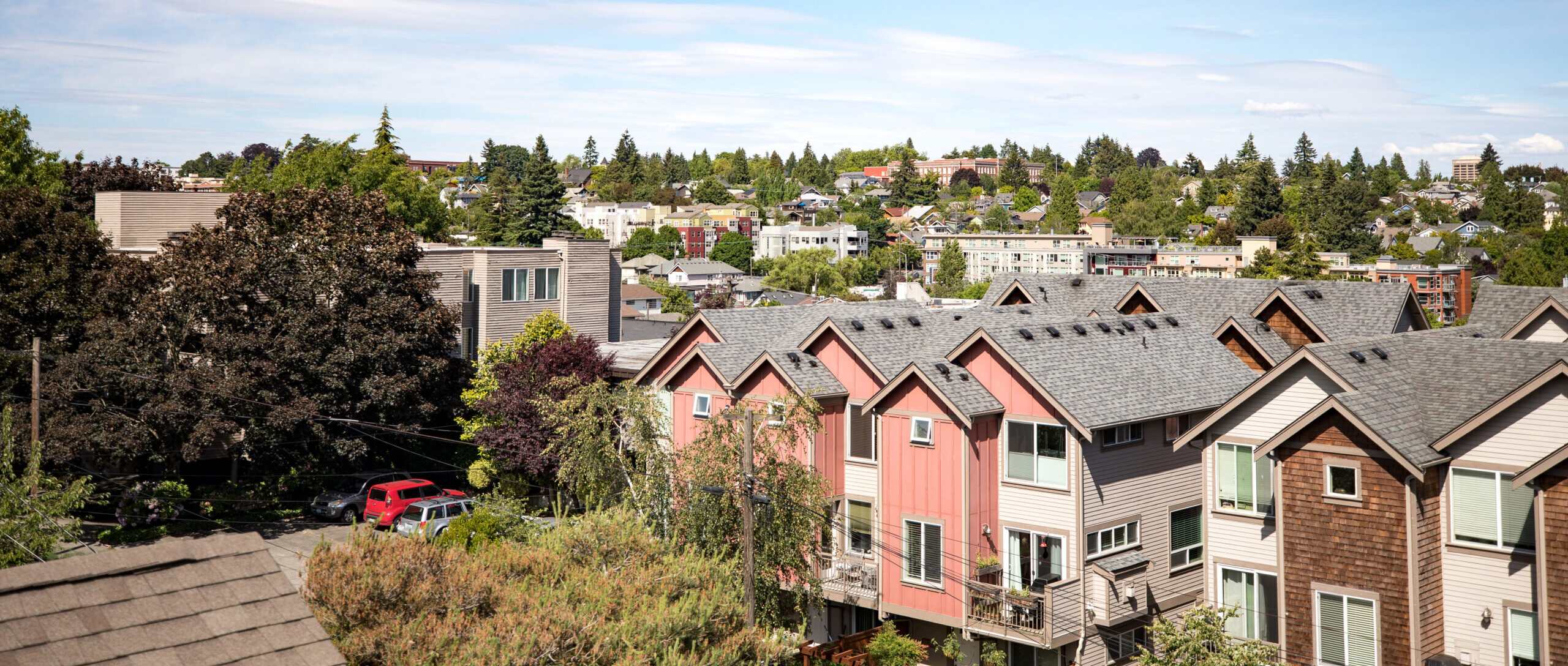 The inspection is where the marketing copy meets reality. Schedule it and attend in person if at all possible. A good home inspector will walk you through what they are finding as they go, and those few hours will shape your understanding of the home for as long as you own it.
 A seller with a specific need will sometimes take less money from a buyer who gives them what they actually want. A longer closing window, a shorter inspection period, a larger earnest money deposit, or willingness to do a rent-back period can all tip a deal in your favor without you spending an extra dollar on the purchase price.
 The timing question, whether to buy now or wait for a better moment, is the one that trips up more buyers than any other single factor. Waiting for the perfect moment is how people end up renting for another five years when they did not mean to. The more useful question is not whether now is the right time in the abstract; it is whether the home works for your actual life for the next five to seven years.
Buyers who take the time to prepare before they start looking tend to find that opportunities exist even when conditions look difficult on paper. Spending twenty minutes with current homes for sale and market analytics is a better use of your time than waiting for conditions that may never arrive.